
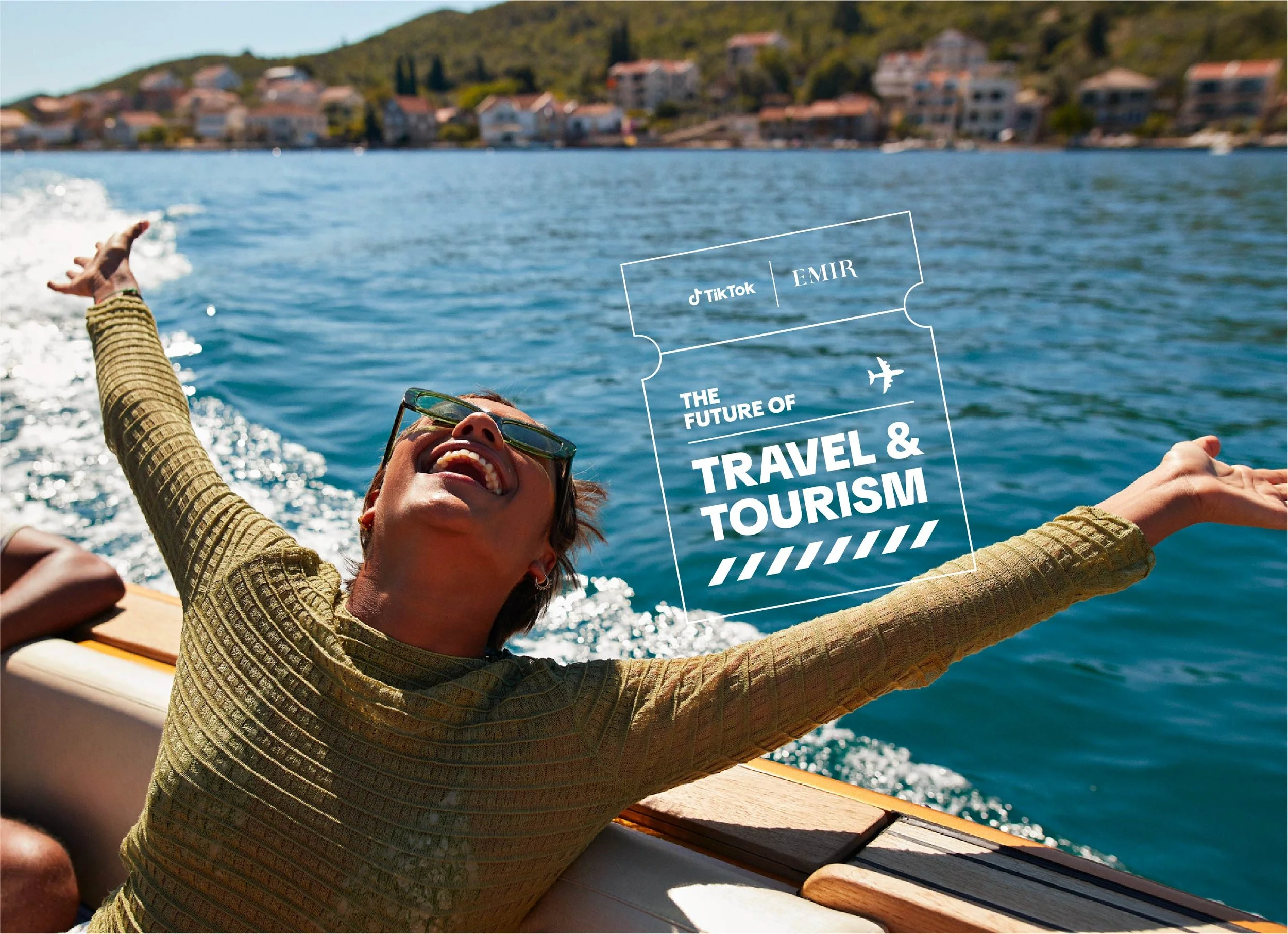

How Digital Discovery is Reshaping Business Models

Setting the Scene
Travel has always been shaped by stories. What is changing is where those stories are encountered, how early they appear, and how directly they influence demand.
Across the industry, we are witnessing a steady shift in how people discover, evaluate, and commit to travel. For a growing share of travelers, the journey now begins long before a destination is searched or a plan is formed. It begins with exposure to experiences, perspectives, and moments encountered through video, creators, and culture in the feed. This first journey is increasingly virtual, and it is shaping the second one in the real world. Evidence from TikTok and IPSOS clearly points to this evolution. Today, 42% of travelers discover new destinations through digital platforms, and 37% finalize itineraries within those same environments. Inspiration, consideration, and decision are no longer experienced in isolation; they are increasingly compressed, overlapping, and influenced by what people see others doing in real time.
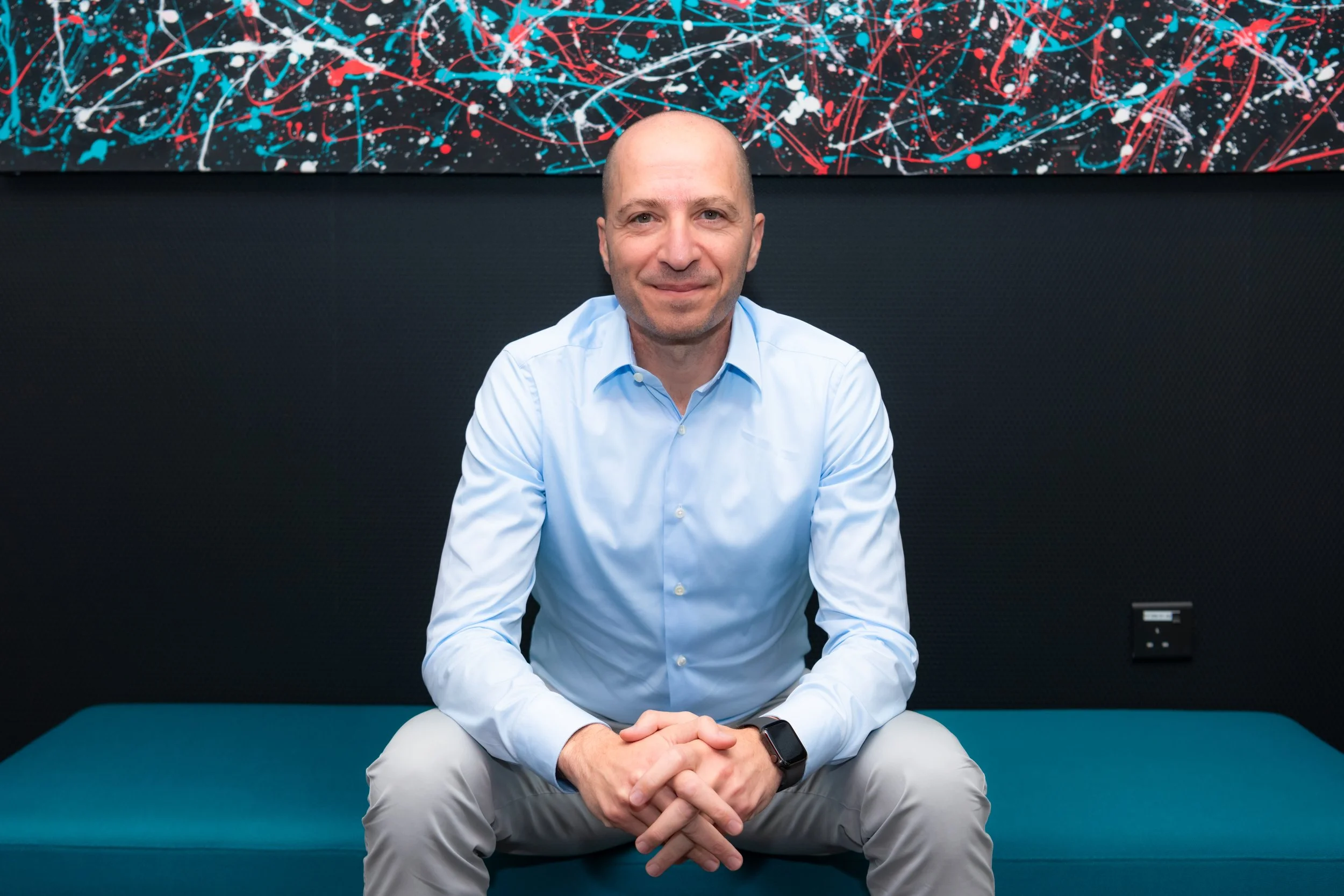

Shadi Kandil
General Manager, Global Business Solutions, Middle East, Turkey, Africa, Central and South Asia - TikTok
The feed has become a planning surface, a validation engine, and a booking trigger all at once. As a result, digital discovery is no longer just marketing input; it is actively shaping demand, distribution, and competitive advantage. In effect, it has rewired the economics of travel. It was in this context that CEOs from across the global travel and tourism ecosystem convened during 'Tourise'. The purpose was not to debate short-term trends, but to examine how this evolving discovery dynamic is affecting business models, destination strategy, and long-term growth. The discussion reflected shared recognition: when discovery happens publicly, continuously, and at scale, the implications extend well beyond communications.
Creators now play a central role in this environment, not only inspiring interest, but helping travelers validate choices, refine plans, and move with greater confidence from curiosity to commitment.
Communities organized around shared interests are increasingly shaping where people go, when they travel, and what they prioritize once they arrive. In this landscape, visibility carries responsibility, and authenticity underpins long-term relevance. This paper brings together insights from that conversation to help leaders respond to this new reality. It is intended to support a shift beyond promotion and toward active stewardship of demand, shaping not just where people go, but how, when, and why they arrive.
As the first journey increasingly happens online, the leaders who will define the next era of travel are those who learn to design for it thoughtfully, responsibly, and with a clear view of the long-term value they are building.
(Source: The Future of Travel Decision-making, IPSOS, 2025).

The Big Picture
As the global travel and tourism economy enters a new era shaped by the rise of digital discovery, twelve industry CEOs convened at an exclusive roundtable during Tourise to debate the strategic future of the sector. The conversation went beyond immediate trends to interrogate the fundamental mechanics of how travel is now consumed, funded, and sustained.
Today, for nearly half of all travelers, the journey begins not with a search bar, but with a digital feed that merges inspiration, advice, cultural trends, and planning tools with a single click. Because of this shift, the leaders agreed that the era of postcard marketing is over. Travelers are no longer captivated by polished, static images; they demand the authentic, the undiscovered, and the visceral reality of how a place feels.
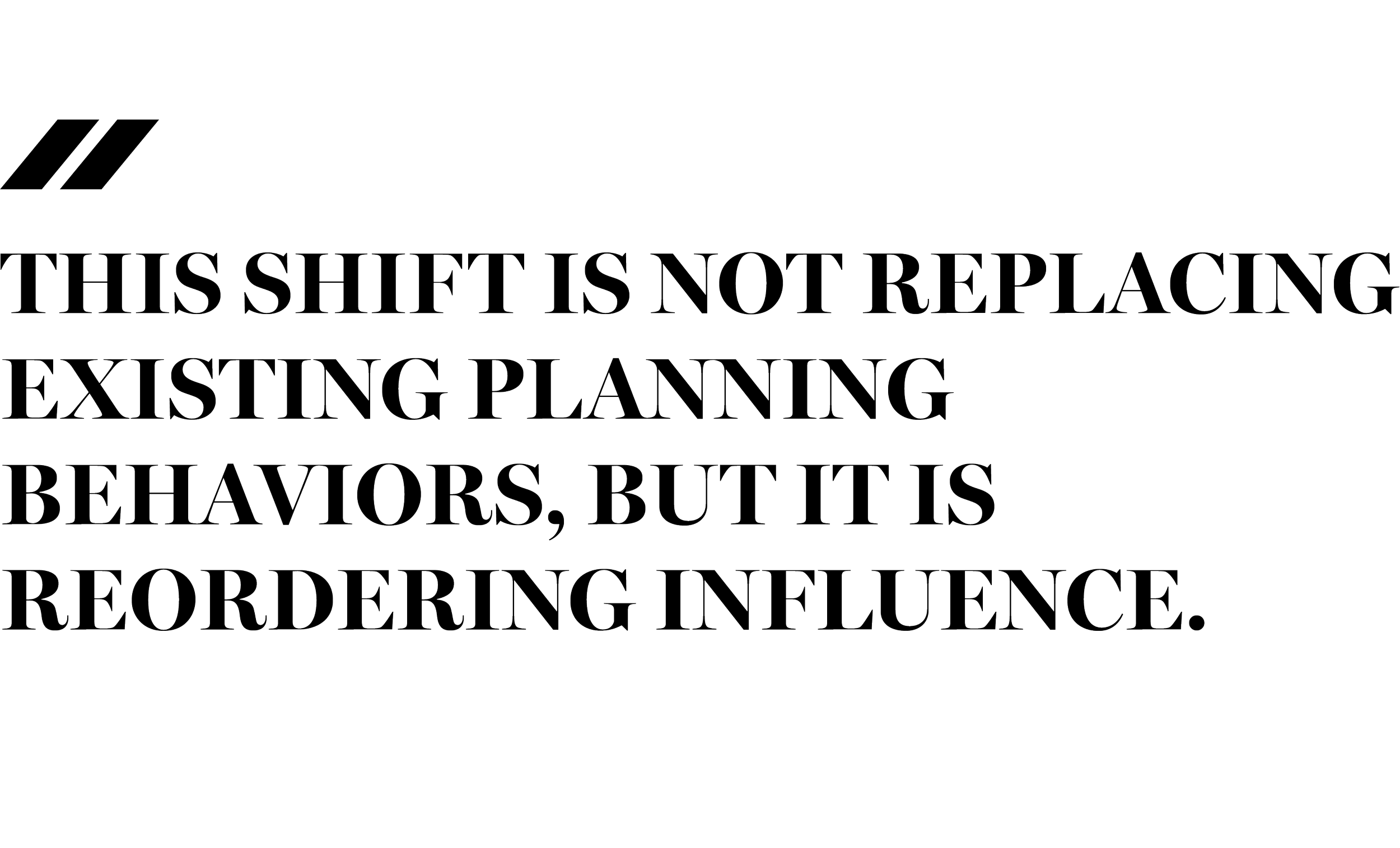
This shift is driven by the fact that travel is one of the few industries where everything happens publicly. The advertising is public, the experience is public, and the feedback loop is public. Every micro-moment becomes part of a destination’s global reputation. Because this public visibility provides immediate social proof, the path to booking has changed drastically into a continuous flow. With real-time validation available in the feed, the distinction between 'dreaming' and 'booking' has collapsed, with 37% of travelers now finalizing itineraries directly on digital platforms. Inspiration and transaction are no longer separate stages, but simultaneous events.
In this high-speed environment, the CEOs identified three critical levers for survival: 'Local' nuance is critical: Conformity is no longer appreciated. A decade ago, a traveler visited a chain hotel in the Kingdom of Saudi Arabia (KSA) expecting the same experience they would get in Paris.
Today, that exact same experience gets a poor rating. Travelers demand to see the local interpretation of global brands manifest through every interaction. In this era, authenticity and owning your identity really matter. Travelers can forgive imperfection, but they don’t forgive inconsistency.
Communities are the new demand engine: Demographics no longer explain modern travel behavior; interests do. By leaning into interest-based communities, destinations can connect in ways that traditional segmentation simply cannot.
Reinvention is non-negotiable: Sustained success is no longer about the first visit; it is about the second. Destinations must evolve continuously and diversify experiences so that return visits offer new value.
This paper synthesizes the key insights and urgent directives that emerged from that high-level debate, equipping executives with strategies to move from promoting places to steering journeys.